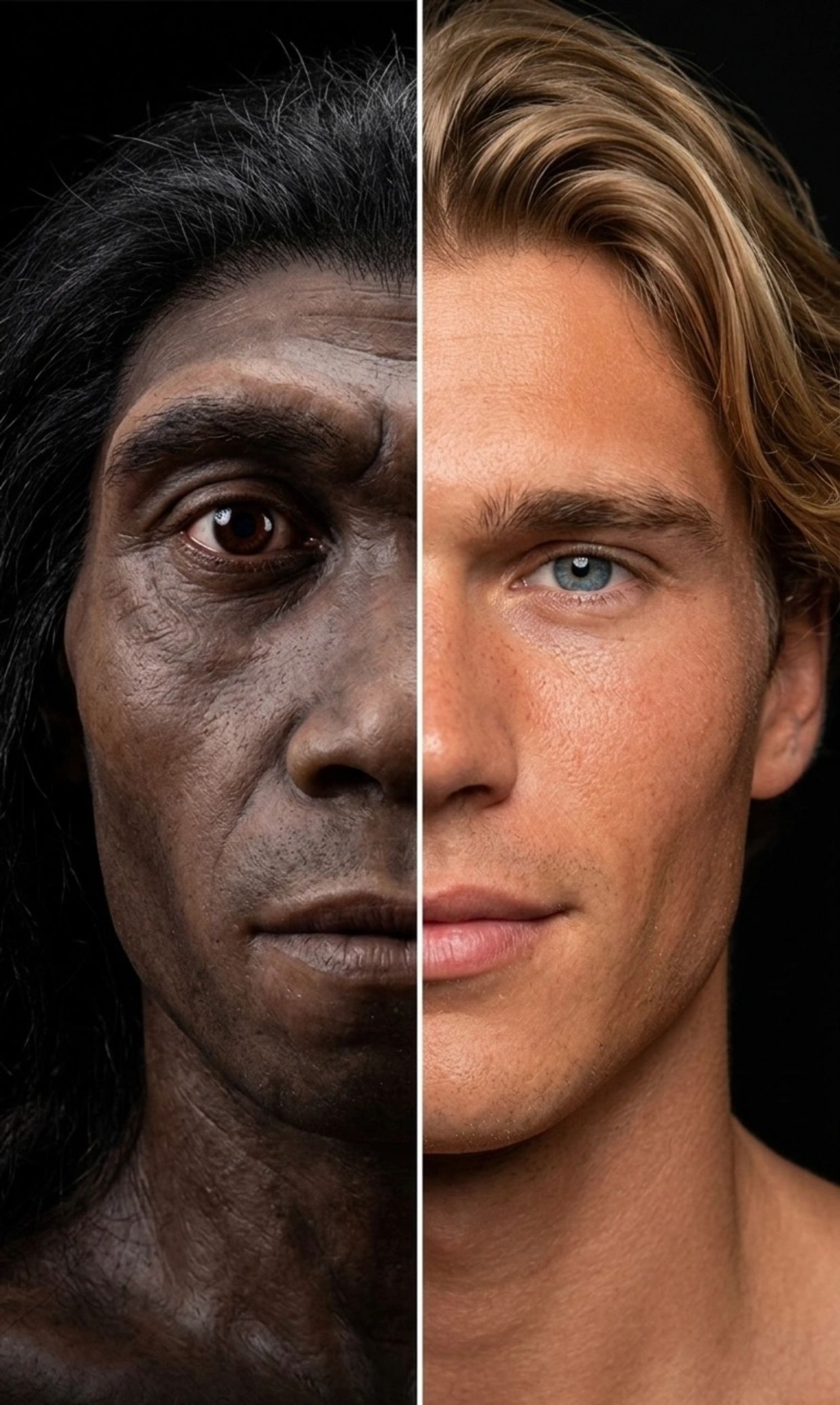
Light Eyes: The Evolutionary Leap in Emotional Detection and Social Advantage – Why Dark Eyes Represent the Outdated Prehistoric Model
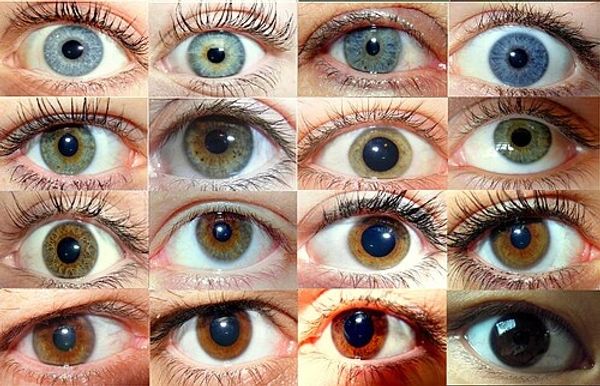
In the framework of conscious trait amplification, light eyes (blue, green, hazel) stand as a refined Europoid adaptation that enhances social intelligence, trust-building, and mate value far beyond the limited functions of ancestral dark eyes. Driven by HERC2/OCA2 variants inherited through Western Hunter-Gatherers, these lighter irises reduce melanin content in the iris, creating high contrast that makes pupil dynamics vividly visible. This visibility turns the eyes into a dynamic signaling system for real-time emotional states—crucial in complex, cooperative civilizations where emotional intelligence, empathy, and rapid non-verbal communication determine success in leadership, pair-bonding, and group cohesion. Dark eyes, while once adaptive for high-UV survival, now function as an obsolete model: their uniform appearance obscures these cues, reducing social transparency.
Dark Eyes: Optimized for Prehistoric UV Survival, Not Modern Social Complexity
Dark eyes, characterized by dense iris melanin, evolved primarily as photoprotection in high-UV environments typical of ancestral African and Asian populations. This melanin shielded ocular tissues from ultraviolet damage, lowering risks of conditions like cataracts or photokeratitis while reducing glare and photophobia in bright, open landscapes.
However, this design traded emotional expressiveness. In dark irises, pupil dilation and constriction blend into the surrounding color, making subtle shifts in arousal, attraction, fear, or empathy difficult to detect at a glance. In small-scale prehistoric groups, where interactions were often direct and survival-focused, this limitation carried little cost. Today, in dense, high-trust societies built on negotiation, alliance-forming, and long-term bonding, the inability to broadcast or read fine-grained emotional states becomes a clear disadvantage.
Light Eyes: Superior Visibility of Pupil Dilation for Emotional and Social Signaling
Light eyes represent an evolutionary advancement tailored to the rising demands of social complexity. With less melanin, the lighter iris provides stark contrast against the black pupil, allowing observers to instantly perceive changes in pupil size. Pupil dilation is a reliable autonomic marker of positive states—attraction, interest, empathy, excitement, or trust—while constriction signals aversion or stress. Studies show that people rate faces with visibly dilated pupils as more attractive, friendly, and approachable, with effects amplified when the surrounding iris is bright. This creates a powerful feedback loop: expressive light eyes elicit stronger reciprocal responses, deepening bonds and accelerating trust formation.
In romantic and social contexts, this advantage is pronounced. A partner’s dilated pupils in blue or green eyes signal genuine interest more clearly than in dark eyes, strengthening pair-bonding and reducing miscommunication. Leaders or negotiators with light eyes convey enthusiasm or sincerity more effectively, enhancing influence and group cohesion. The vivid hues themselves—blue’s clarity, green’s warmth, hazel’s multifaceted depth—add aesthetic novelty and frequency-dependent appeal: bright colors often gain extra attractiveness when choice is available, consistent with negative frequency-dependent sexual selection observed in Europoid populations.
Light Eyes Have Better Vision in Low Light Conditions
Beyond their social-signaling superiority, light eyes also deliver a measurable optical advantage in low-light conditions. Reduced iris melanin permits a higher percentage of available photons to reach the retina rather than being absorbed by pigment. This increased light transmission sharpens scotopic sensitivity—improving visual performance at dusk, in shadowed interiors, or under artificial lighting—while the same low-melanin design that once seemed a liability in high-UV environments now functions as an asset in the controlled, often dimly lit spaces of modern life. Dark irises, optimized for glare reduction and photoprotection, necessarily sacrifice some of this light-gathering efficiency. Thus light eyes simultaneously excel at broadcasting emotional states in bright conditions and at gathering more usable light when illumination is scarce, compounding their adaptive edge.
Modern Technology Renders Dark Eyes Obsolete
UV protection is now external and optional, glare is managed by eyewear or architecture, and photophobia is negligible in controlled environments. Dark eyes retain no meaningful functional edge in these settings, yet they continue to limit emotional transparency. Light eyes, by contrast, incur no downside while their signaling superiority thrives in collaborative contexts. What was once a localized adaptation for variable sunlight has become a global social asset in civilizations prioritizing cooperation.
Empirical Evidence of Universal Preference and Biological Wiring
Human color and feature preferences strongly favor light eyes, reflecting deep biological wiring rather than mere cultural conditioning. Infant gaze studies demonstrate that newborns and young babies look longer at faces rated attractive by adults, with preferences extending to features like larger or more contrasting eyes that enhance expressiveness—hallmarks of lighter irises. This early bias suggests an innate pull toward traits that facilitate emotional connection.
Dating-app data reinforces the pattern in adult mate choice. Analyses from platforms like Tinder and OkCupid show blue eyes as the most preferred for men (often receiving the highest match rates, around 27% in controlled tests), with hazel and green also outperforming brown. For women, hazel frequently ranks highest, followed by lighter shades, while brown eyes consistently lag as the baseline. When participants choose among matched profiles differing only in eye color, lighter variants win out, aligning with the broader sexual selection hierarchy where red-bronze skin glow pairs synergistically with light eyes for maximum appeal. Non-Europoids often show elevated preference for Europoid light-eyed features, while Europoids rarely reverse the pattern, indicating a cross-population tilt toward the expressive, high-contrast model.
Social and Civilizational Advantages in Conscious Trait Amplification
In forward-moving civilizations, the social edge of light eyes compounds across domains: faster trust calibration reduces transaction costs in alliances; clearer emotional readout improves empathy-driven innovation and conflict resolution; and heightened attractiveness elevates mating success, reinforcing the very neurochemical pathways (dopamine, serotonin) already boosted by pheomelanin-rich skin. Dark eyes, optimized for a vanished prehistoric niche, offer none of these amplifiers and risk subtle disadvantages in high-stakes social navigation.
At Arx, conscious amplification integrates light-eye alleles alongside the red-bronze glow through selective lineage stewardship, genetic screening, and ART. This propagates a phenotype engineered for both biochemical vitality and social fluency—outshining the outdated dark-eye model in every metric relevant to thriving in complex, beauty-driven, emotionally intelligent societies. Light eyes are not a cosmetic relic; they are the visible hardware of advanced human interconnection, illuminating the path to higher-trust, higher-joy civilizations.
Note: Portable Alleles and Polygenic Stacks
Blue eyes are the type case of a portable trait: a well-mapped, high-effect variant that can appear wherever the allele has traveled, including in admixed non-Europoid individuals who carry European-derived ancestry at that locus. When the target is that trait, Arx selects the allele and the phenotype, not the census label of the carrier.
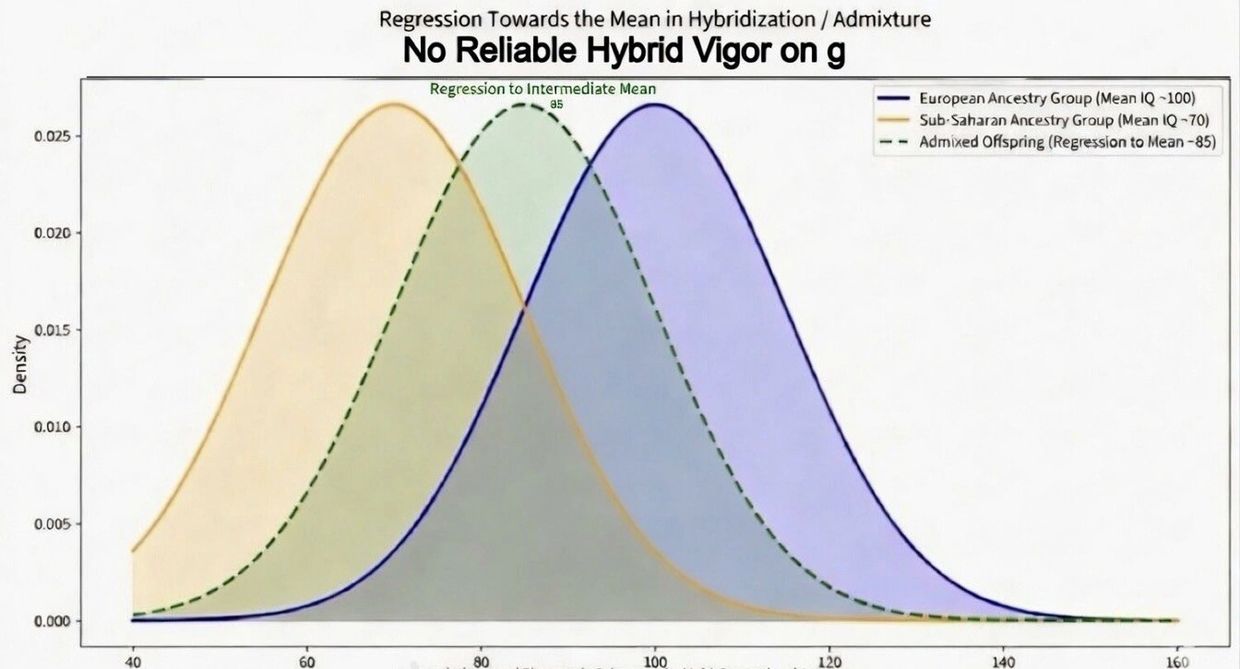
That rule does not govern polygenic stacks. Cognition, temperament, facial architecture, immune and metabolic architecture, and developmental stability are ensembles. Ensembles have coherence costs. A migrated ornament is not a substitute for a compatible background, and it does not license unmanaged wide outcrossing.
Arx therefore uses two filters, not one. High-effect portable alleles may be retained wherever they integrate cleanly. The civilizational stack—and the Europoid phenotypic coherence the foundries are built to steward—is selected as a whole. Scientific racism stopped at the group label. Interchangeability denied both the label and the measurements. Trait amplification keeps the measurements and still defends the stack.
Fine, Dense, Light-Colored Hair: Evolutionary Signals of Attractiveness and Sexual Selection
Human hair serves as one of the most immediate and powerful visual cues in mate assessment. It instantly signals age, health, genetic quality, and reproductive potential.
Among global human variation, the specific combination of fine strand diameter, high follicle density, and light coloration — most characteristic of Northwest Europoid populations — stands out for its advantages in perceived attractiveness. These traits were shaped, in part, by sexual selection pressures that amplified their signaling power in ancestral environments.
Biological Foundations
Hair color is determined by melanin type and distribution in the shaft. Light blond to light brown shades common in European populations result from variants in genes such as MC1R. These variants reduce eumelanin and favor pheomelanin. They are largely unique to Europeans and emerged relatively recently — within the last ~11,000 years.
• Strand diameter: Often finer (50–70 μm) in Northern European-derived groups. Finer strands feel silkier, flex easily, and convey a distinctly youthful texture.
• Follicle density: Higher averages are frequently observed in Northwest Europoid populations. Greater density creates natural volume and fuller coverage that strongly influences visual impressions of vitality.
Attractiveness Perceptions
Research using computer-rendered hair images shows follicle density is one of the strongest predictors of positive judgments. Higher density is consistently rated as younger (by several years), healthier, and more attractive. These effects remain robust even when density drops significantly.
Light-colored hair enhances these signals. In both experiments and real-world behavior, men in European-derived samples often rate and approach women with blond hair more frequently, linking it to youth and fertility. Paired with fair skin, light hair makes subtle markers of condition (wrinkles, spots, pallor) more visible — providing clearer cues of underlying health.
Finer textures are widely perceived as softer and more youthful. The complete package — fine + dense + light — produces hair that looks luxuriant yet manageable, reflecting vitality without heaviness. Lighter shades frequently trigger stronger positive responses.
Sexual Selection and Evolutionary Dynamics
Peter Frost’s 2006 model explains the striking diversity of hair and eye colors in northern and eastern Europe — including high rates of blondness — as the result of frequency-dependent sexual selection.
In post-glacial tundra environments, high male mortality from long-distance hunting and female dependence on male provisioning created a surplus of unmated women competing intensely for partners. In this context, rare or novel traits like bright blond hair provided a distinct mating advantage by standing out against darker norms.
Multiple independent MC1R mutations support rapid and strong selection. Light coloration likely coevolved with fair skin to heighten visibility of health and fertility cues providing an amplified signal.
Health and Signaling Value
Hair density acts as a reliable condition-dependent cue. Thinning often correlates with age, nutritional stress, illness, or hormonal changes, while full density signals robust health and resource access. Experimental studies confirm observers downgrade low-density hair on both attractiveness and health scales.
Fineness complements density by reducing scalp burden and preserving a soft, youthful texture over time. Together, these traits create a coherent, high-signal phenotype: luminous volume, reflective brightness, and structural resilience.
Preservation Through Conscious Lineage Stewardship
Today these traits continue to influence mate preferences and self-perception among populations of Northwest Europoid descent.
Arx Arcologies are designed to prioritize genetic and cultural continuity. Through voluntary, informed assortative pairing — guided by phenotypic awareness and, where appropriate, genetic insight — our communities maintain the allelic variants that support fine, dense, light-colored hair. This preserves elevated mate-value signals and reinforces the assortative patterns that sustained these adaptations historically.
Education around the evolutionary significance of these traits fosters authentic pride in lineage-specific excellence without universalist claims. Phenotypic coherence strengthens the reliability of the visual signals that evolved under specific selective environments.
Fine, dense, light-colored hair represents a powerful suite of traits with measurable advantages in attractiveness and clear roots in sexual selection within Northwest Europoid ancestral environments. Density drives perceptions of youth and health. Light coloration amplifies honest condition signals. Fineness contributes soft, vital texture.
By consciously stewarding the genetic foundations of this phenotype, Arx communities preserve both the visible markers of vitality and the deeper lineage qualities they reflect. In an age of global admixture and cultural homogenization, such intentional stewardship keeps evolved signals of beauty, coherence, and distinctiveness alive for future generations.